Cobertor de Papa, Textile Culture of Serra da Estrela
Traditional handmade wool blankets linking heritage, landscape and local craft near Starbase18
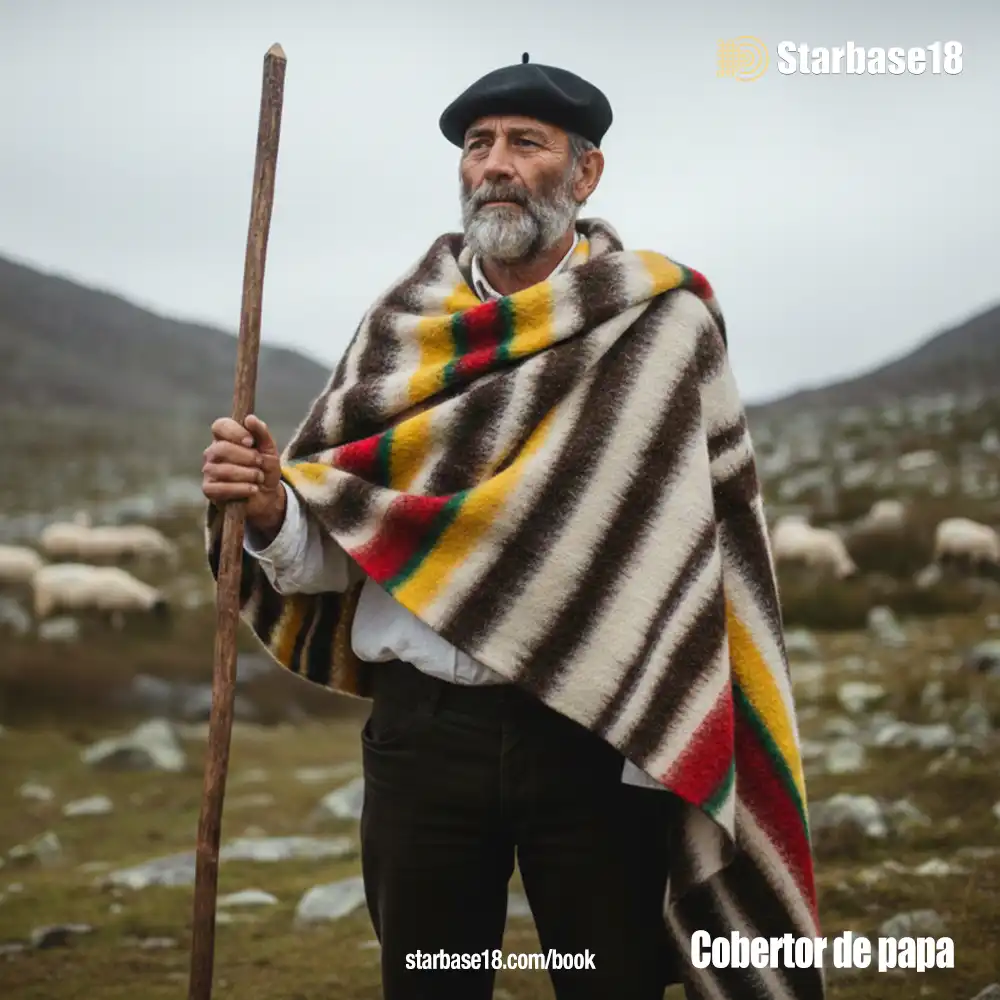
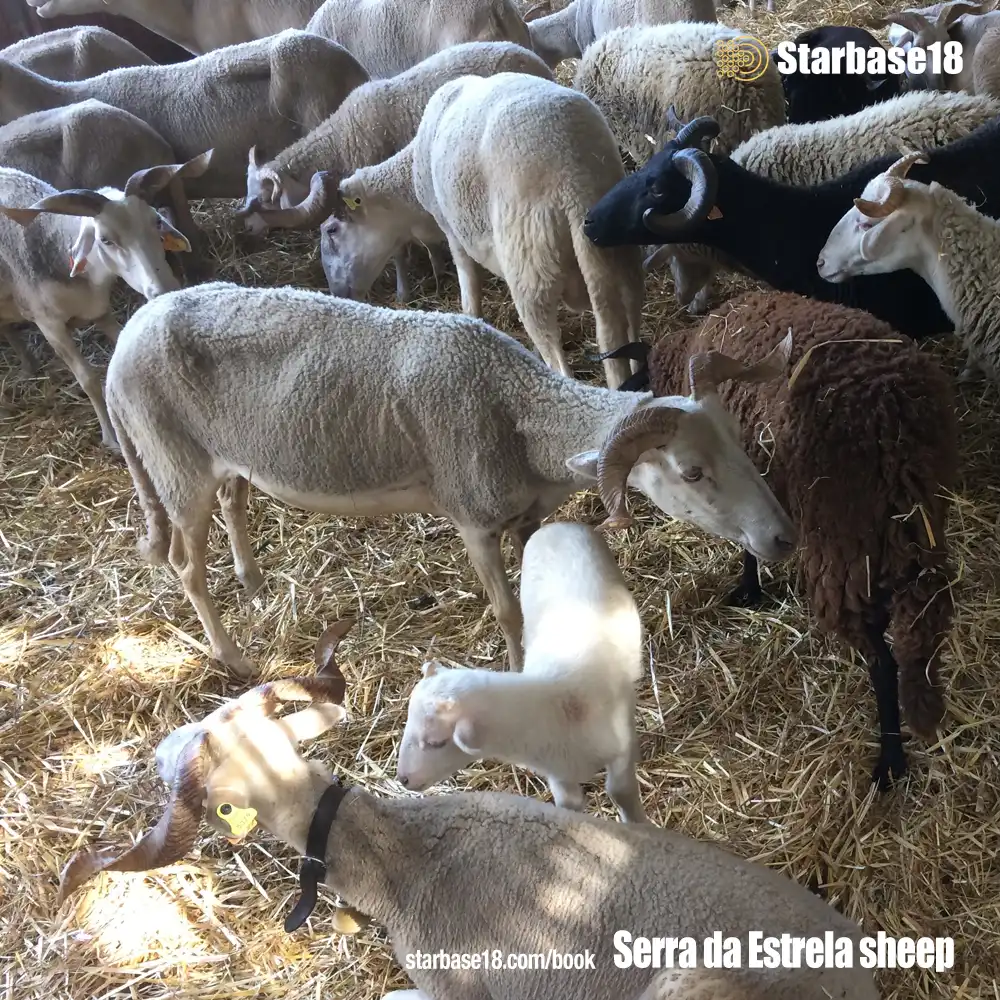
The Cobertor de papa or popes blanket is a traditional wool blanket originating in the parishes of Trinta, Meios Village and Maçainhas in the Serra da Estrela Nature Park region, known for its rugged landscapes and pastoral traditions. This handmade textile reflects centuries of local craft knowledge, using churra wool from the native Portuguese churra mondegueira sheep to produce heavy, warm and waterproof blankets that were essential to mountain life. The proximity of the Mondego River historically supported wool processing, this can be observed while walking the Passadicos do mondego trail with lots of old textile factories, and small factories and weaving communities.
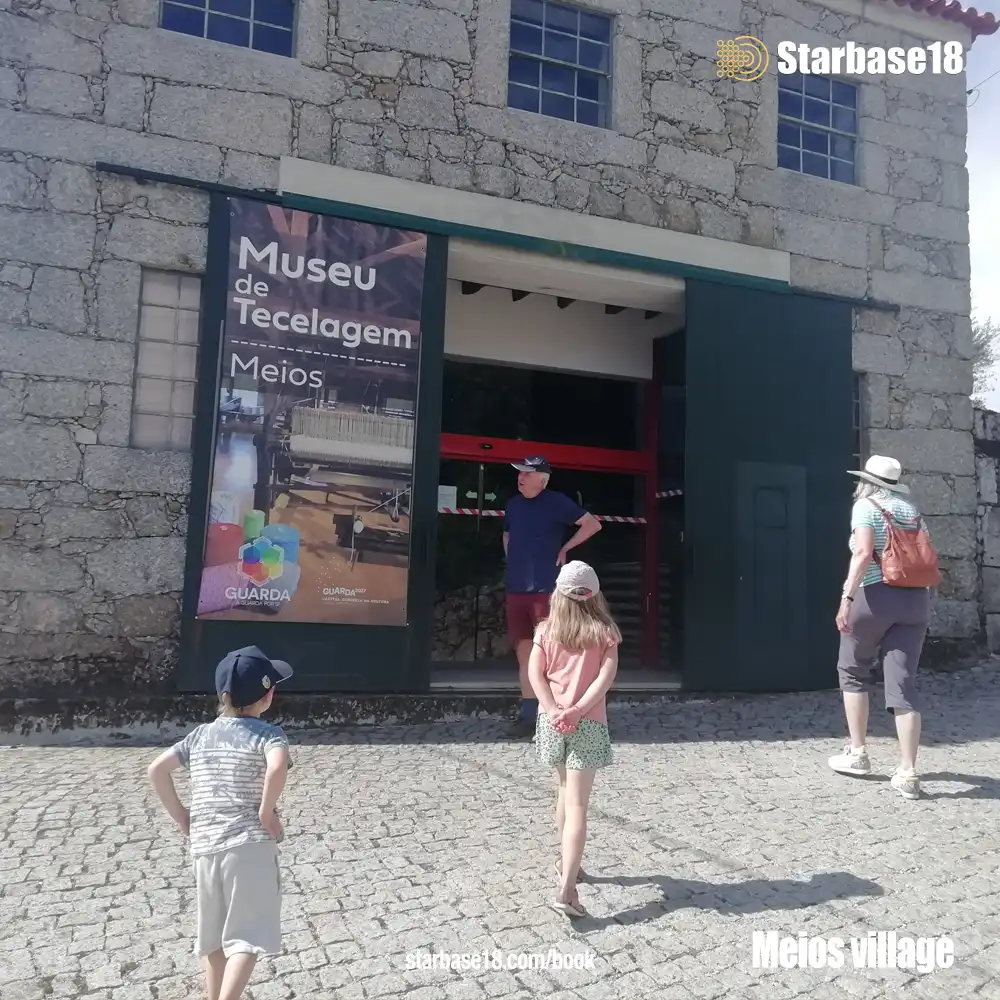
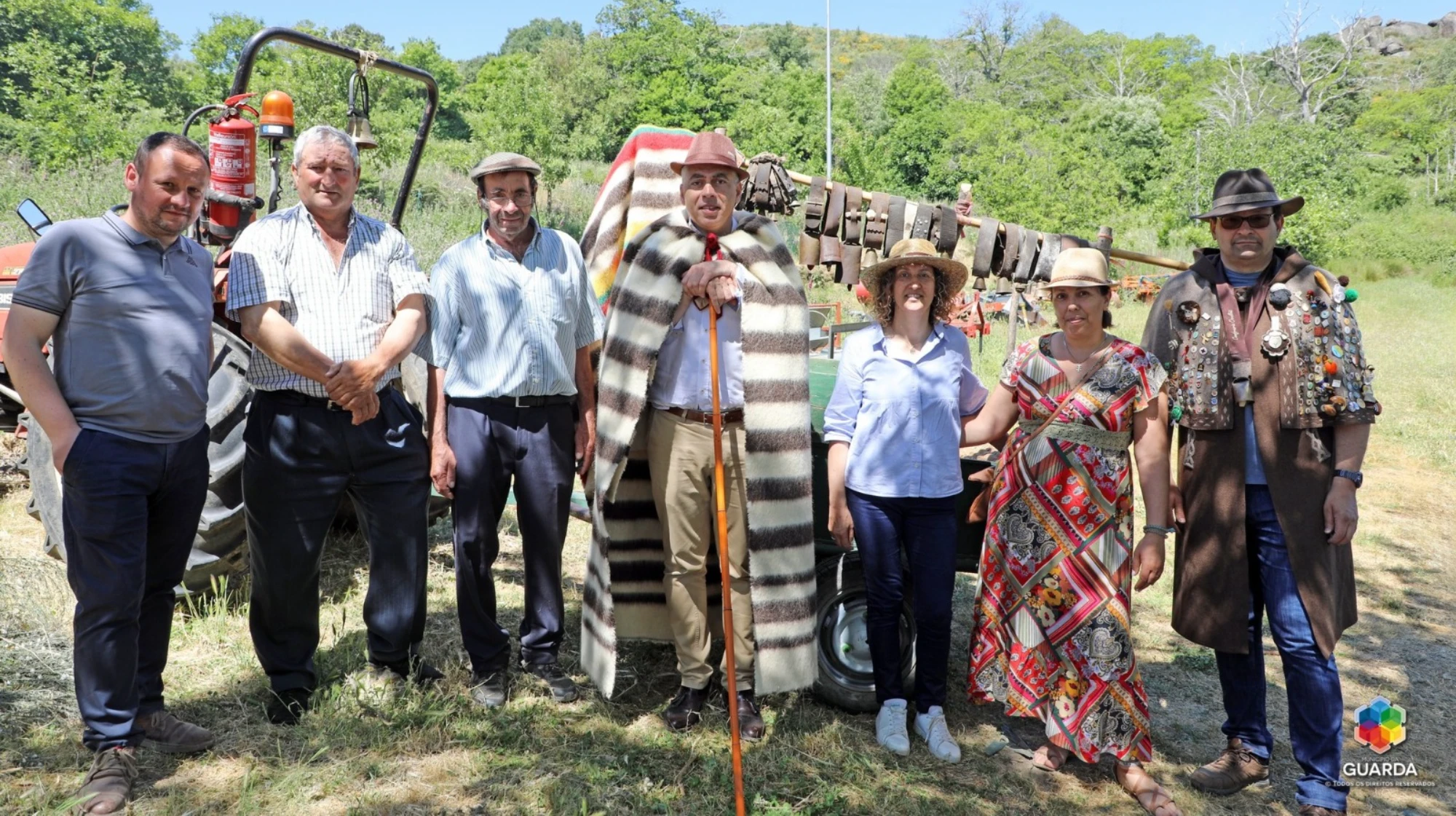
For families visiting Starbase18, understanding the Cobertor de papa enriches cultural exploration by showing how nature and local resources shaped everyday life. The blankets were woven on manual looms, washed and felted using earth and water from the river, creating a dense fabric perfectly suited to the cold, wet conditions of the mountains of the Serra da Estrela. The making of the blanket and the weaving looms can be seen in action in the weaving museum in Meios, just 5 minutes from Starbase18. Today the tradition continues through the efforts of local associations, festivals that preserve and promote this unique craft. Yearly in June the Jornadas da Lã ,Popular Culture Festivals, in corujeira celebrates the tradition of the shepherds gathering sheep for shearing, music and storytelling. In the village of Macainhas, Guarda they celebrate this tradition every year in the second weekend in September during the Festival Cobertor de Papa.
The Cobertor de papa is more than a blanket, it is a symbol of resourcefulness and adaptation to mountain weather and rural life. Children can learn about traditional materials, how natural fibres behave and the connection between sheep farming, wool processing and the community's heritage. Workshops and festivals celebrate the craft, allowing families to see textile traditions in action and appreciate how culture grows from landscape and daily life.