Starbase18 Logo
Book
Soil improvements

Soil improvements

We inherited sandy, nutrient-poor soil, degraded by annual plowing and use of fertilizers. We’re regenerating it by adding organic matter and natural fertilizers. Grass cuttings stay on the ground, and sheep and goats graze to improve soil health. Future plans include rotational grazing and adding smaller animals for further regeneration.

Soil improvements

From sand to soil, takes effort and time

When we started, the soil across the property was highly degraded. Years of annual plowing left it sandy, unable to retain water, and nearly lifeless in terms of nutrients and microorganisms. Our aim has been to reverse that damage: bring back organic matter, rebuild soil structure, and encourage the return of natural microorganisms essential for long-term fertility.

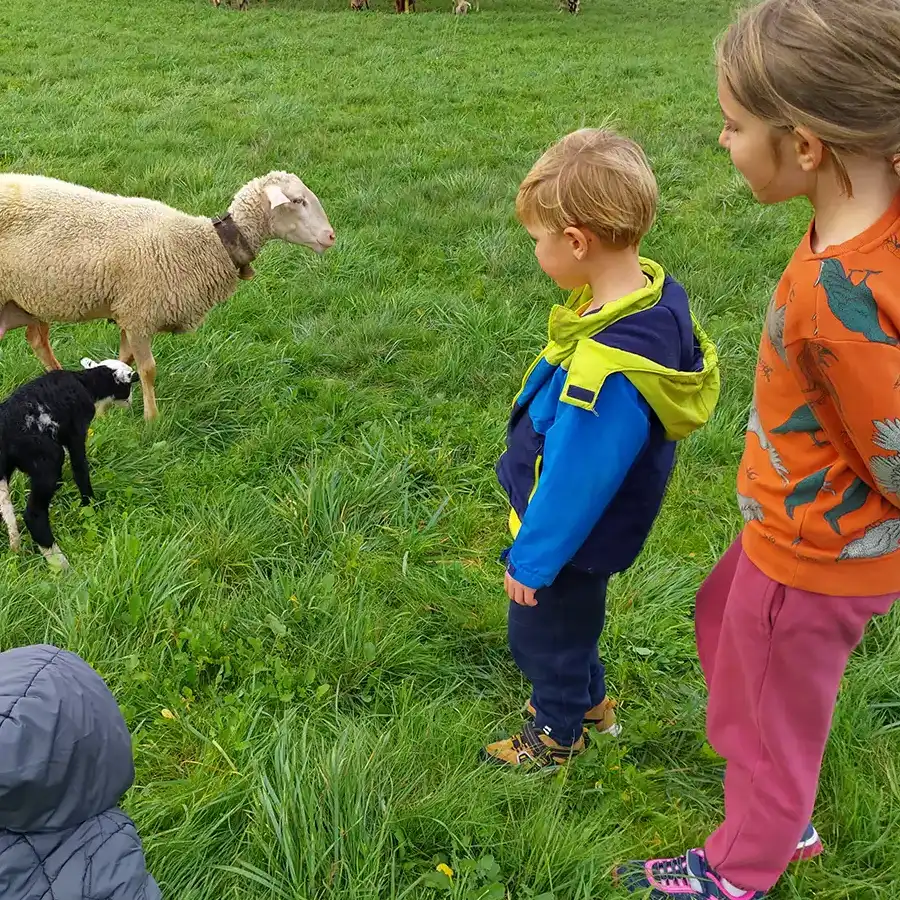
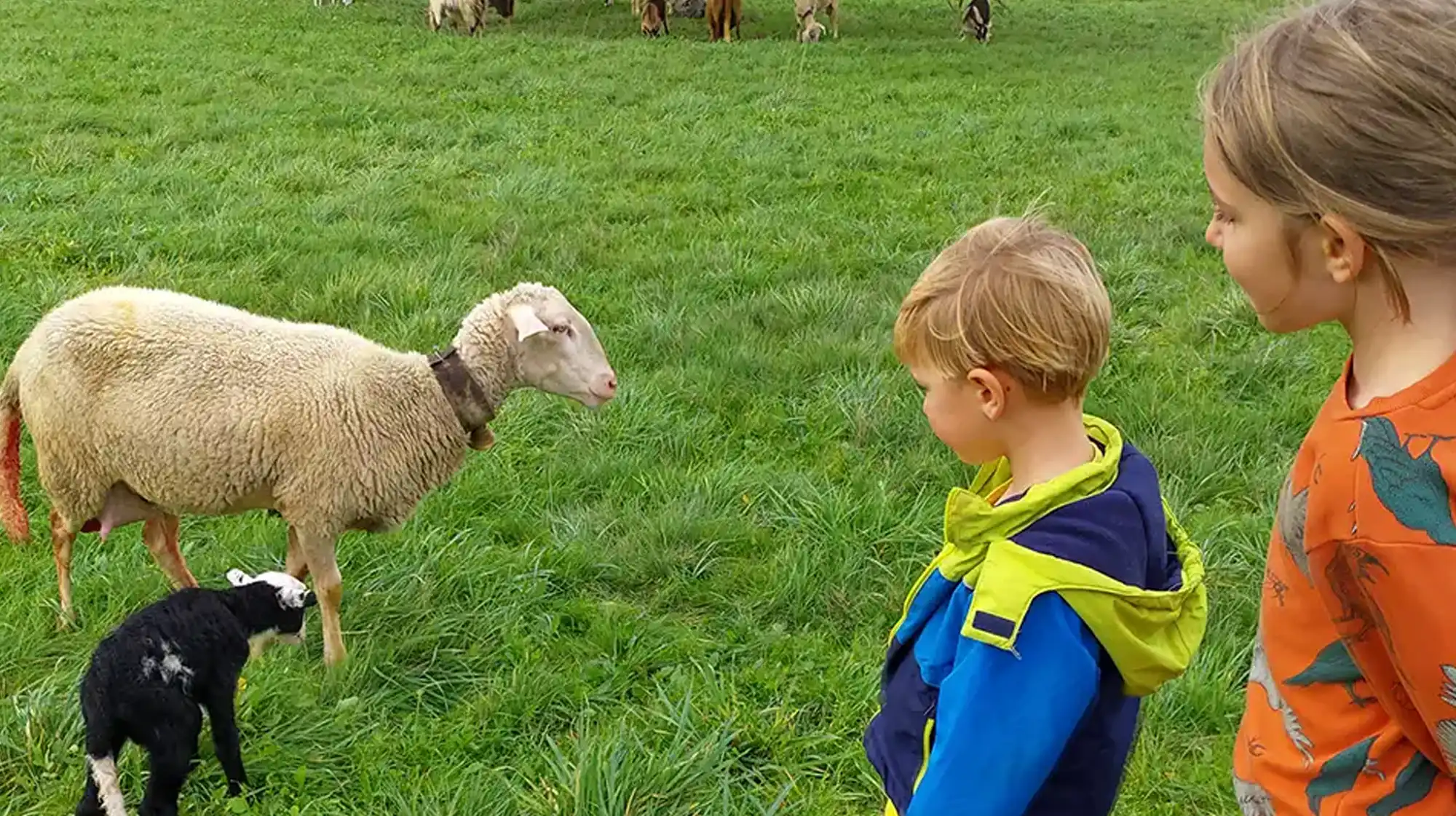
Instead of removing cut grass, we now leave it on the fields to decompose, adding organic material right where it’s needed. Almost year-round, a shepherd grazes sheep and goats on our land. Beyond the obvious benefit of natural fertilization with their manure, their small hooves break up compacted soil and help seeds embed and germinate. The result so far: noticeable improvements in soil health and reduced need for heavy machinery to manage grass growth.

Looking ahead, we plan to subdivide the property into smaller, fenced grazing patches. This holistic grazing system will keep the animals in one area for a set period before moving them to the next, allowing plants and soil to recover and increase biodiversity and carbon sequestration to build resilient ecosystems. Beyond that, there’s an opportunity to follow larger grazers with smaller animals, like chickens. Chickens can feed on larvae in manure left behind, which helps control flies and other pests, adding a second layer of natural fertilizers and improving soil biodiversity further.
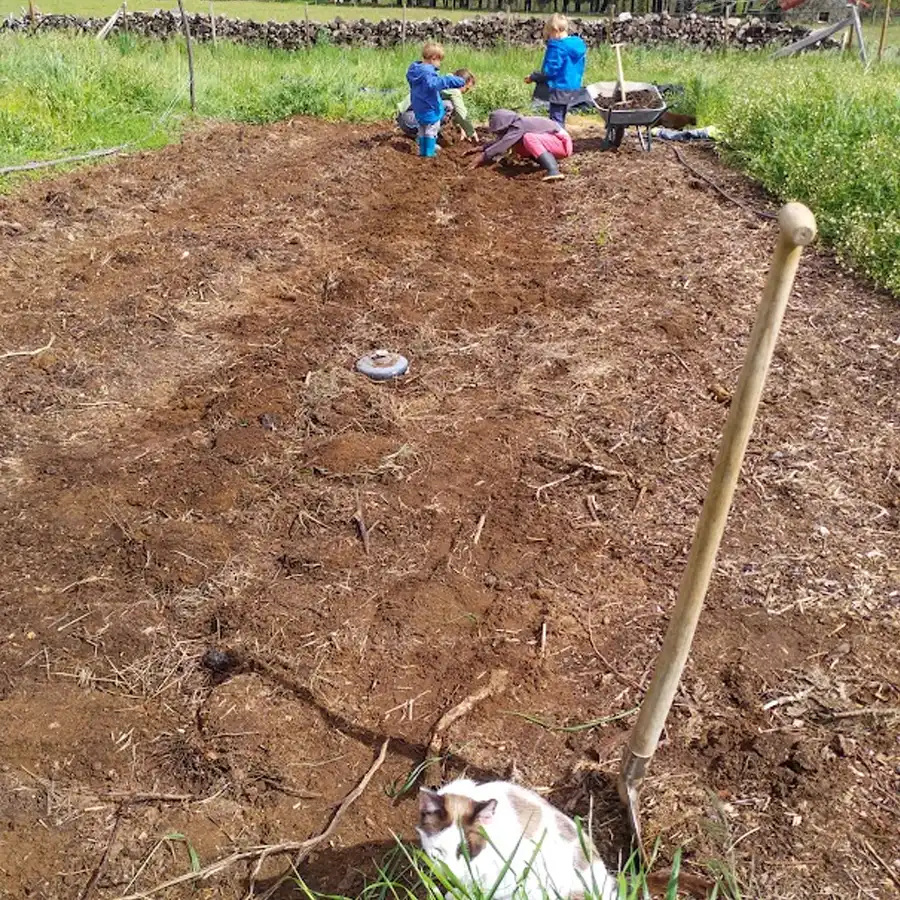
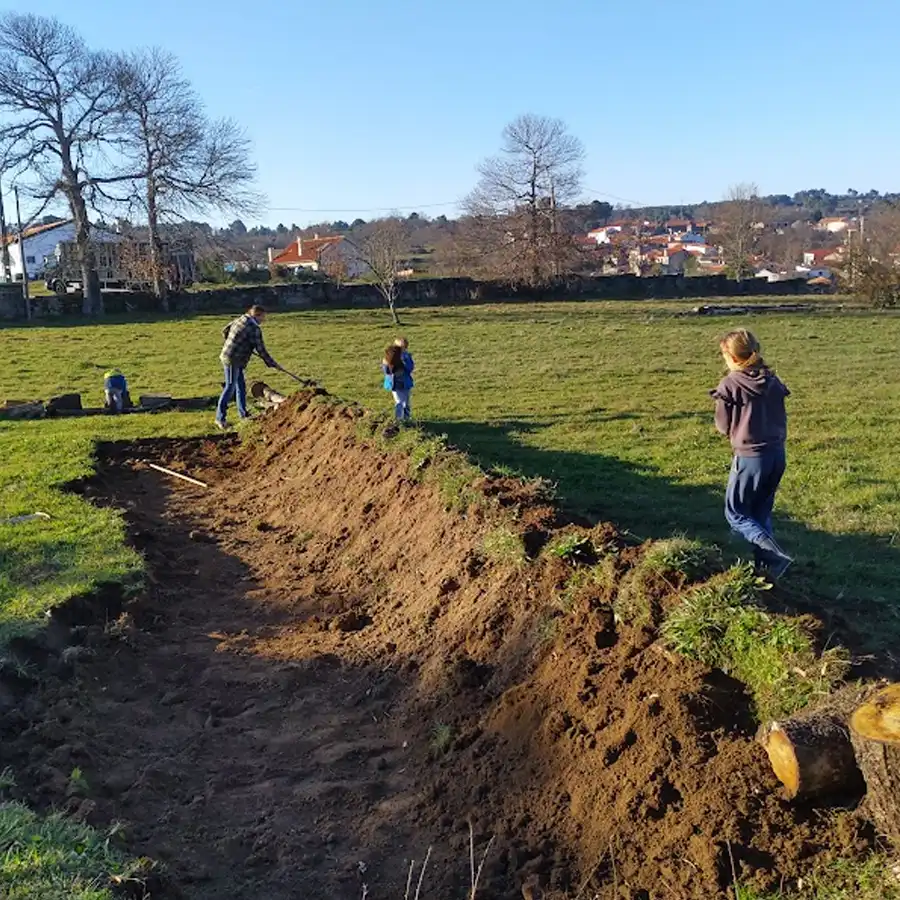
Regenerating degraded, nutrient-poor sandy soil with organic matter and natural fertilizers
Sandy Soil Regeneration: Adding Organic Matter and Natural Fertilizers for Improved Soil Health
Sandy soil regeneration using organic matter and natural fertilizers
Soil Improvement Project: Regenerating Sandy, Nutrient-Poor Soil with Organic Matter and Natural Fertilizers
What was the initial condition of the soil at Starbase 18?
We inherited sandy, nutrient-poor soil that had been degraded by annual plowing and chemical fertilizers. Our mission is to restore its health through natural regeneration.
How do you improve the soil quality naturally?
We add organic matter and natural fertilizers to the earth. By leaving grass cuttings on the ground and allowing sheep and goats to graze, we help the soil recover its nutrients.
What are your future plans for land regeneration?
Our future plans include implementing rotational grazing systems and introducing smaller animals to the land. These steps will further accelerate the natural soil regeneration process.
Why are sheep and goats important for your soil?
Grazing animals like sheep and goats play a vital role in soil health. Their presence and natural movement help fertilize the ground and manage vegetation, aiding the transition from sand to soil.
Is soil regeneration a quick process?
No, turning sand into fertile soil takes significant effort and time. It is a gradual, ongoing process that relies on consistent sustainable practices to achieve long-term health.
Book Your Starbase18 Stay